
nidus3D Printing
Role: Senior Brand Leadership · Brand Strategy · Brand Foundation
Scope: Brand Positioning · Brand System & Visual Identity · Logo · Website Strategy & Design
Building a clear, credible brand foundation for an emerging construction technology.
Strategic brand foundation for an emerging construction category
The Gap
3D construction printing had proven viable internationally, but it had not yet been implemented in Canada.
The primary barrier was not only technology. It was understanding.
Builders, municipalities, educators, non-profits, and project partners needed a clear way to understand what 3D construction printing was, how it worked, where it fit, and why it could be trusted.
nidus3D needed more than a brand presence. It needed a foundation for explaining a new construction method in practical, credible terms.

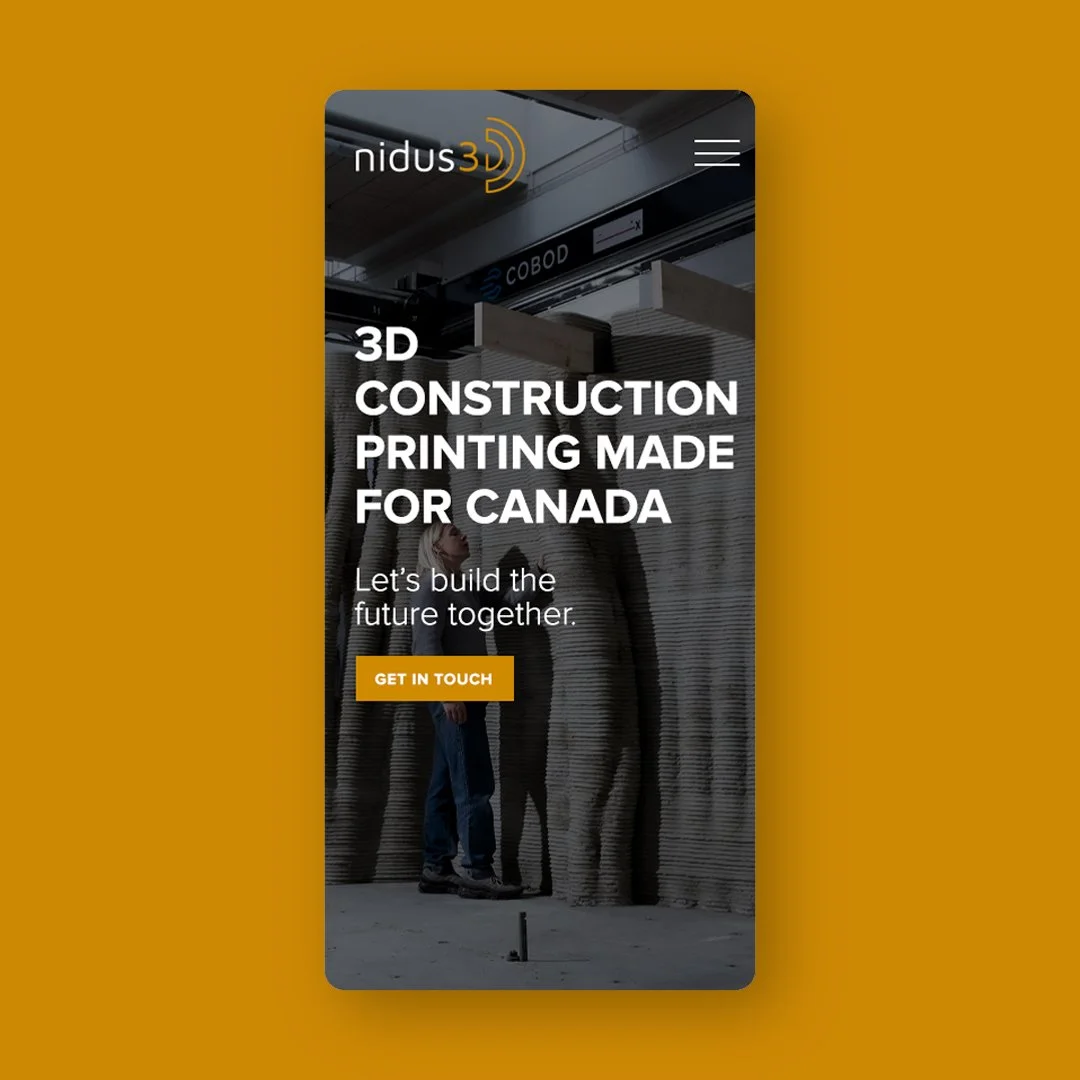


The Shift
Before
No shared language for explaining 3D construction printing
No decision framework for external communication
No tools to support education, partnerships, or credibility
No clear structure for speaking to different stakeholder groups
After
Clear positioning framework guiding communication and partnerships
Shared language for educating audiences across sectors
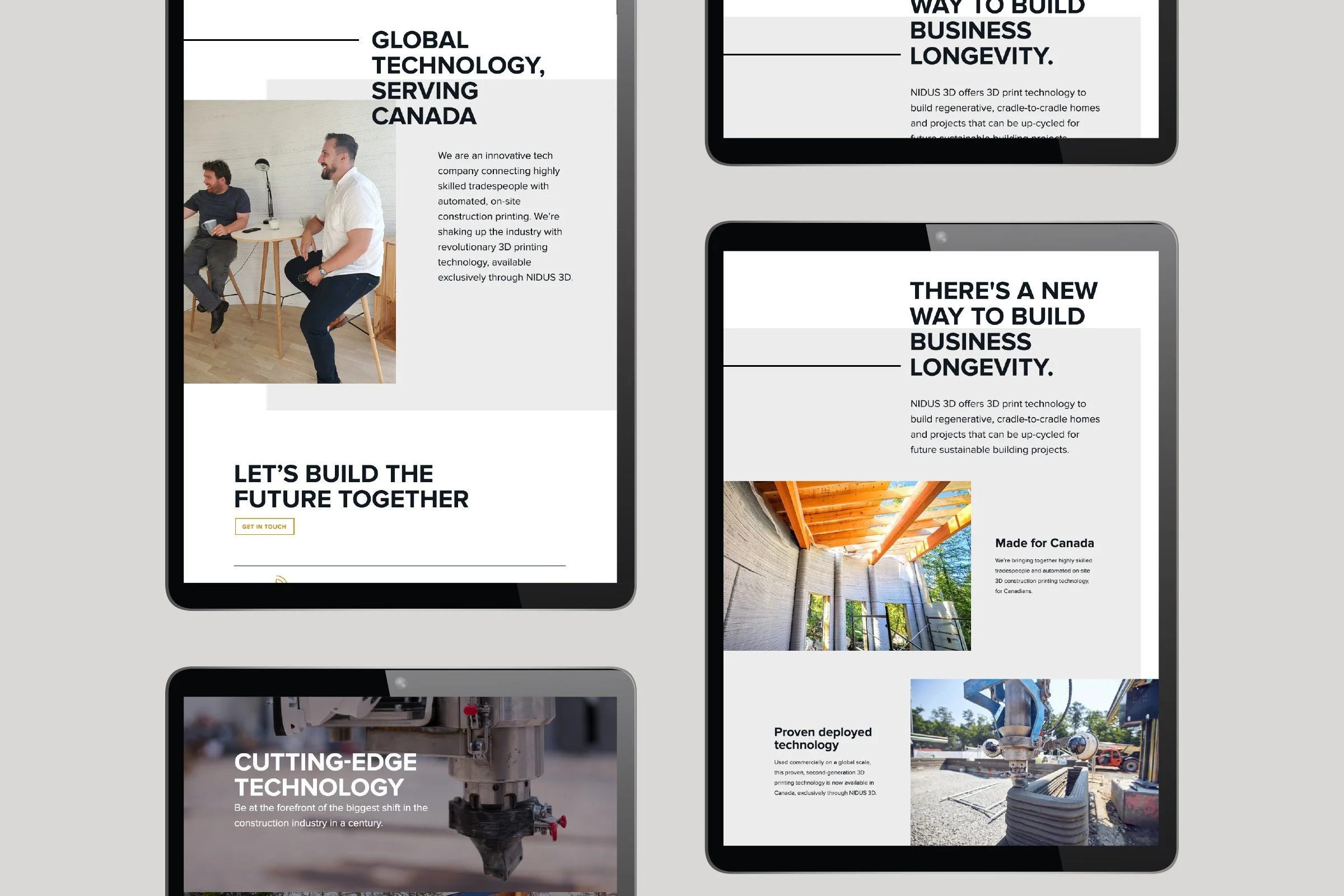
Website structured as an education and credibility platform
Scalable system for adding proof points, case studies, and applications over time


The Work
I led the creation of nidus3D’s brand as a practical operating system — not just a collection of launch assets.
The work gave the organization a clear way to explain its technology, build trust with conservative and risk-aware stakeholders, and support real-world adoption across construction, municipal, educational, and non-profit sectors.
Positioning, identity, and digital experience were developed together so the brand could stay clear as the technology, evidence, and applications expanded.

Website Strategy
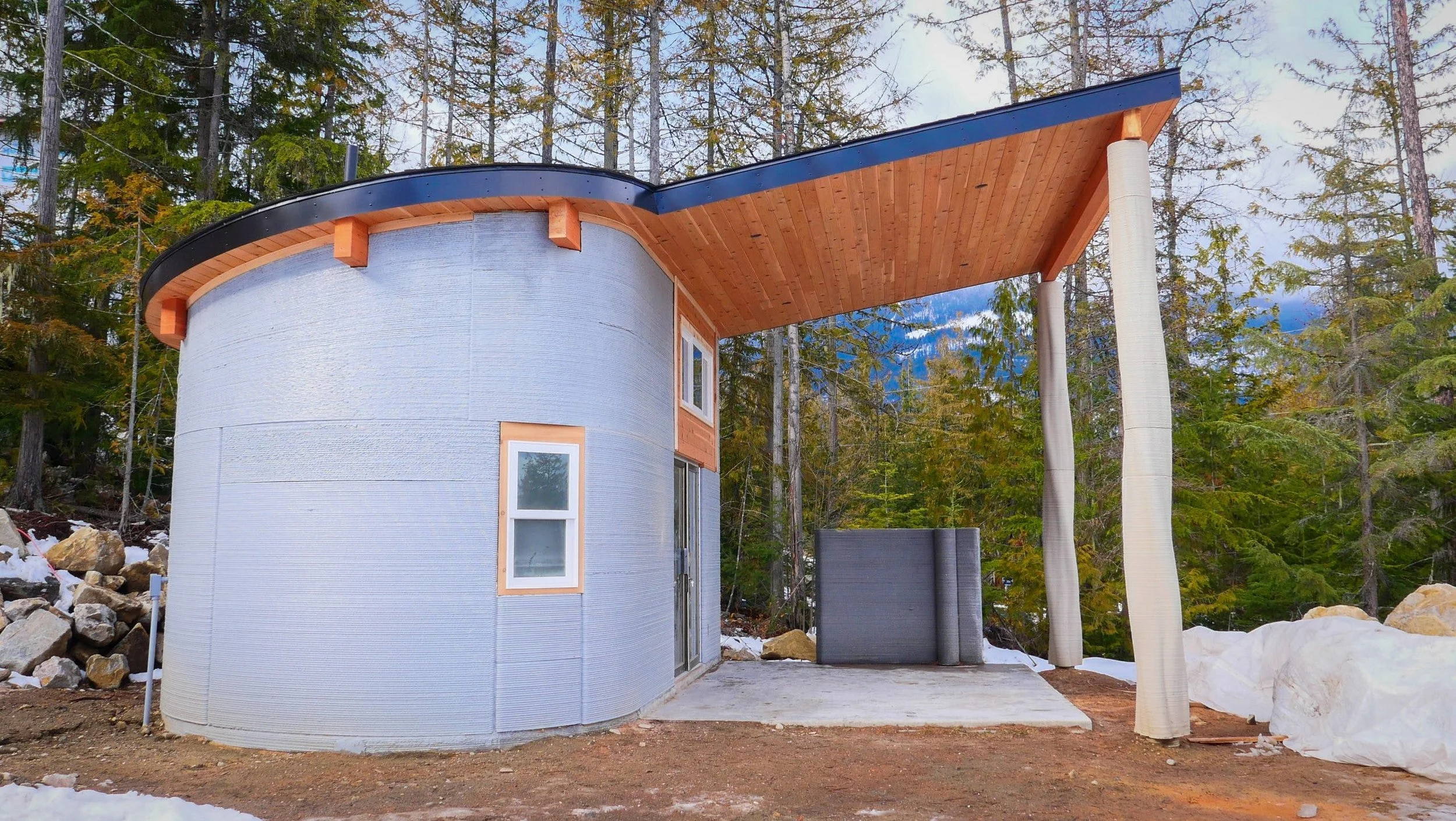
The website was designed as a modular education and credibility platform, with clear pathways for builders, municipalities, educators, and non-profits. Case studies were used as operational proof — helping audiences understand where the technology had been applied and what it made possible.
Brand Foundation
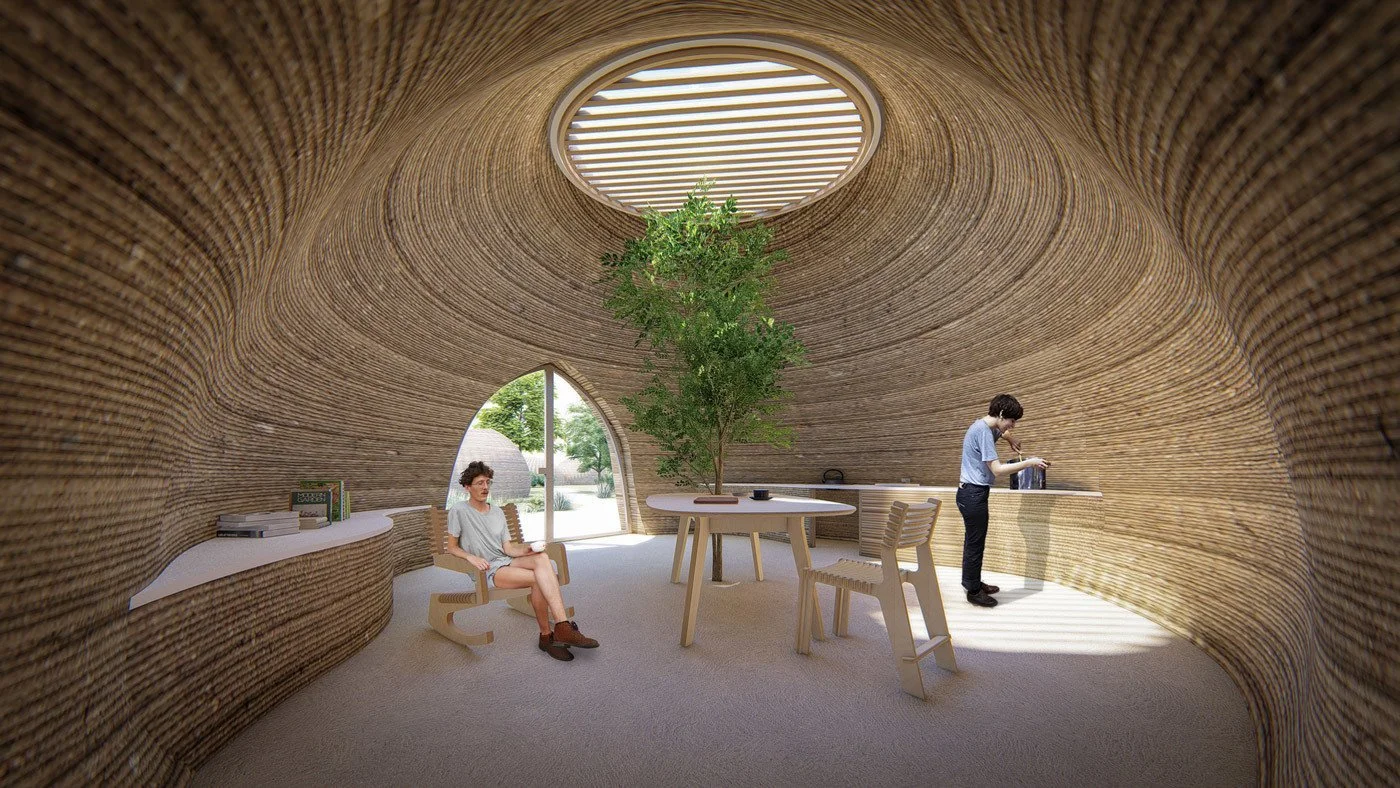
The brand system gave nidus3D a consistent framework for explaining the technology, aligning stakeholders, building partnerships, and adding complexity over time without needing to reinvent the message at each stage.

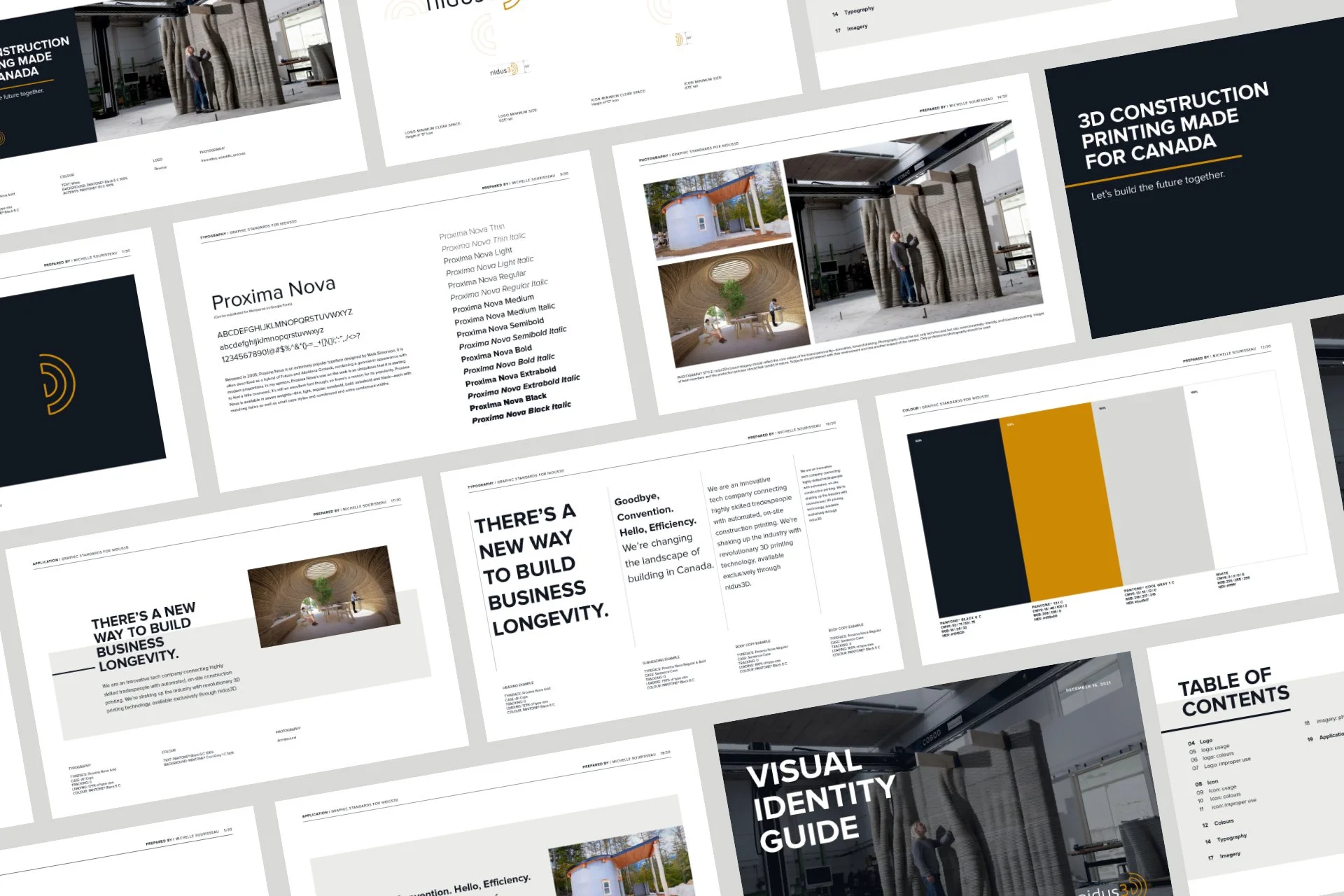
Visual Identity System
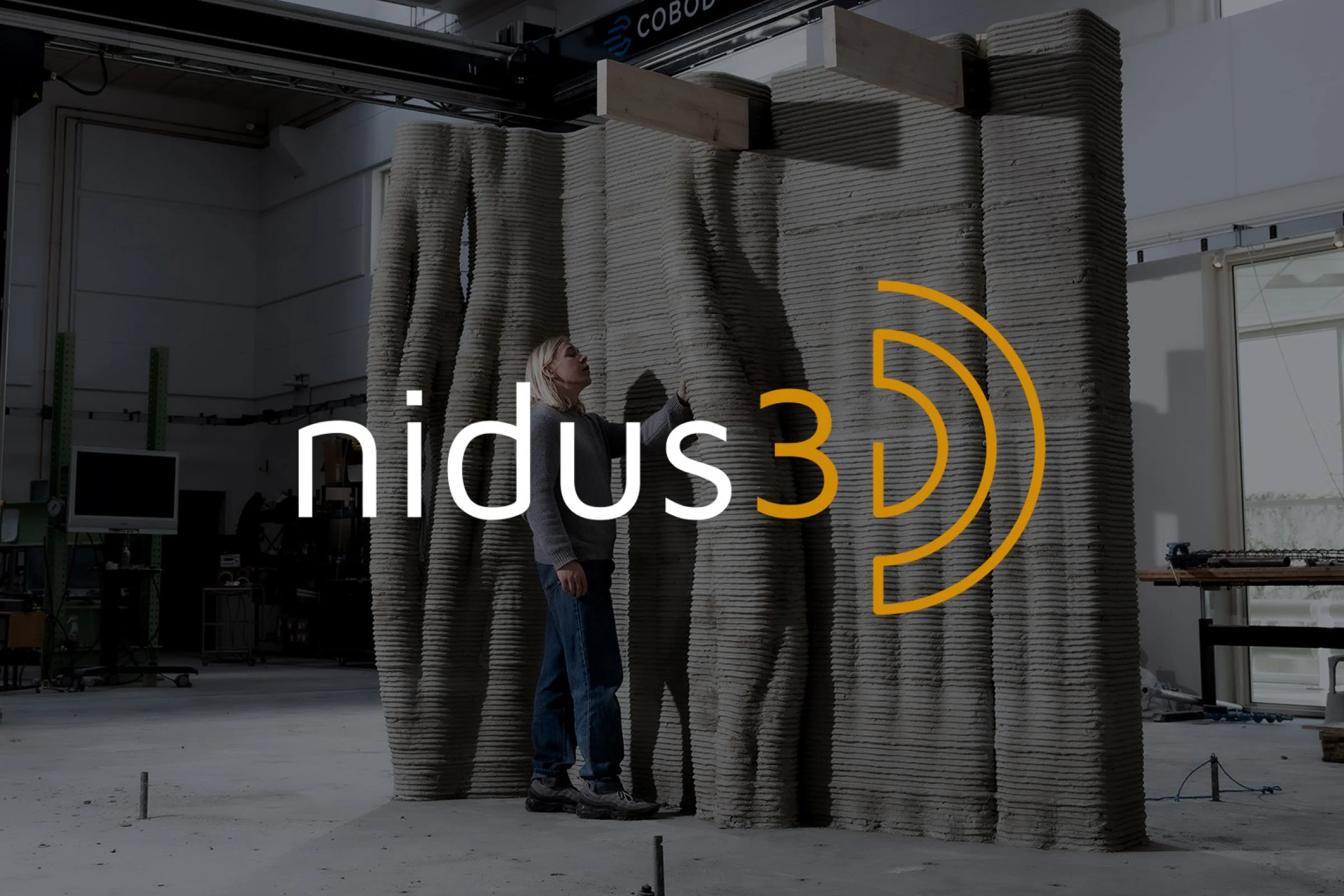
The identity used a disciplined palette, bold typography, and a continuous-line logo inspired by the 3D printing process. The system balanced innovation with restraint, helping the brand feel credible within a risk-sensitive construction industry.
The Result
nidus3D Printing launched with a brand system built to support understanding, trust, and adoption.
The brand helped make an unfamiliar construction technology easier to explain, easier to evaluate, and easier for decision-makers to take seriously.
The work gave nidus3D the clarity and structure needed to introduce a new category to the Canadian market.
Selected collaborators: website development (Pohl Strategic); writing (Wendy Lees)